Image
  • Writing
    • Andy Gavin: Author
    • About my Novels & Writing
    • All Writing Posts
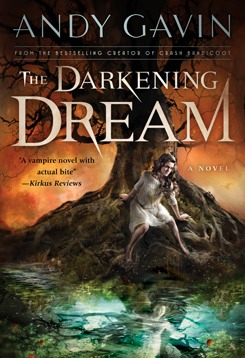
    • The Darkening Dream
      • Buy the Book Online
      • Sample Chapters
      • Reviews
      • Info for Reviewers
      • Press Coverage
      • Awards
      • Cast of Characters
    • Untimed
      • Buy Untimed Online
      • Book Trailer
      • Sample Chapters
      • Reviews
      • Info for Reviewers
      • Press Coverage
      • Awards
      • Cast of Characters
    • Scrivener – Writer’s Word Processor
    • iPad for Writers
    • Naughty Dark Contest
  • Books
    • Book Review Index
    • Favorite Fantasy Novels
    • Andy Gavin: Author
    • The Darkening Dream
      • Buy the Book Online
      • Sample Chapters
      • Short Story: Harvard Divinity
      • Reviews
      • Info for Reviewers
      • Press Coverage
      • Awards
      • Cast of Characters
    • Untimed
      • About the Book
      • Buy Untimed Online
      • Book Trailer
      • Sample Chapters
      • Reviews
      • Info for Reviewers
      • Press Coverage
      • Awards
      • Cast of Characters
    • Naughty Dark Contest
  • Games
    • My Video Game Career
    • Post Archive by Series
    • All Games Posts Inline
    • Making Crash Bandicoot
    • Crash 15th Anniversary Memories
    • World of Warcraft Endgames
    • Getting a Job Designing Video Games
    • Getting a Job Programming Video Games
    • Naughty Dark Contest
  • Movies
    • Movie Review Index
  • Television
    • TV Review Index
    • Buffy the Vampire Slayer
    • A Game of Thrones
  • Food
    • Food Review Index
    • Foodie Club
    • Hedonists
    • LA Sushi Index
    • Chinese Food Index
    • LA Peking Duck Guide
    • Eating Italy
    • Eating France
    • Eating Spain
    • Eating Türkiye
    • Eating Dutch
    • Eating Croatia
    • Eating Vietnam
    • Eating Australia
    • Eating Israel
    • Ultimate Pizza
    • ThanksGavin
    • Margarita Mix
    • Foodie Photography
    • Burgundy Vintage Chart
  • Other
    • All Posts, Magazine Style
    • Archive of all Posts
    • Fiction
    • Technology
    • History
    • Anything Else
  • Gallery
  • Bio
  • About
    • About me
    • About my Writing
    • About my Video Games
    • Ask Me Anything
  • Contact

Archive for J.K. Rowling

The Rules of Magic

Apr26

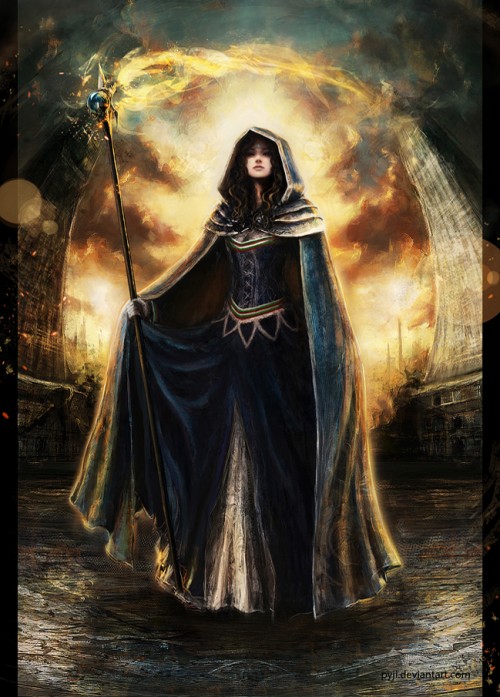
I ran  across this extremely interesting and totally meta article on fantasy magic by Brandon Sanderson. I’ve had my own version of this kind of theory since the early 80s but he really spells it out.

He breaks magic systems down into how “hard” or “soft” they are. Meaning, how defined are their rules.

If you’re a writer working on your fantasy magic systems, I suggest that you decide what kind of feel you want for your magic. Do you like the techno-magic like you find in my books, or in books by L.E. Modesitt Jr. and Melanie Rawn? Do you like the hybrids like you find in someone more like David Eddings or J.K. Rowling? Or, do you prefer your magic to be more vague and mysterious, like you see in Tolkien or the George R. R. Martin books? I like to read works by all of these authors, but when I write, I prefer to have rules, costs, and laws to work with in my magic, and that makes it more fun for me.

By hard or techno-magic he means books like his own, or comic books, or video games (like WOW or Diablo), where the magic is a well defined tool. On the soft side are books like Tolkien with a more mythic feel. But what is particularly interesting is his insights into the narrative impact of magic.

Resist the urge to use magic to solve problems unless you’ve already explained and shown that aspect of how the magic works. Don’t give the heroes a new power whenever they need one, and be very careful about writing laws into your system just so that you can use them in a single particular situation. (This can make your magic seem flimsy and convenient, even if you HAVE outlined its abilities earlier.)

Very good advice. If your magic is soft enough that major new developments occur every time it is used, then you better NOT use it to solve problems. Or:

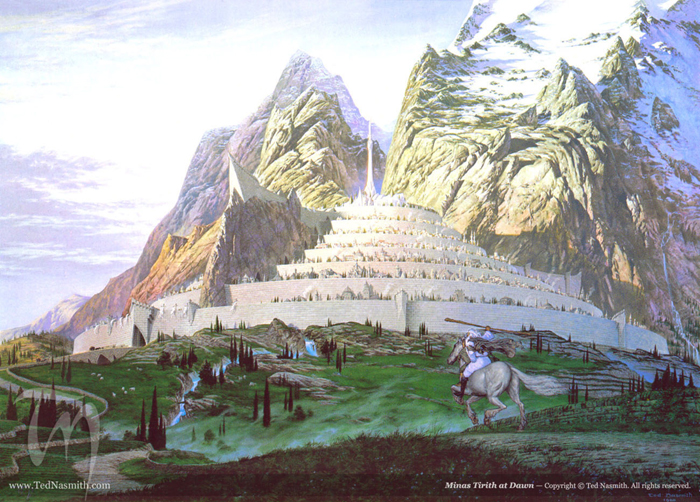
If you’re writing a soft magic system, ask yourself “How can they solve this without magic?” or even better, “How can using the magic to TRY to solve the problem here really just make things worse.” (An example of this: The fellowship relies on Gandalf to save them from the Balrog. Result: Gandalf is gone for the rest of that book.)
Semi-consciously, this is what I did in The Darkening Dream which has multiple complex magic systems that are not fully explained, and is hence a kind of middle-soft magic universe. The characters do use magic, but it rarely helps or pans out the way they want, and when it does, I’m generally using a power that I clearly set up before. The villains make heavier use of magic, and their systems are better defined. Still, things often go poorly. In this book I really wanted to give the magic a sense of weight. To make it clear that it was never free or easy and required years of study, practice, and consequences often far outweighing the long term benefits.

My second novel, Untimed, is in many ways closer to a hard magic system in that the time travel has very rigid rules. This (and the related villains) are the only “supernatural” element. I try to maintain my sense of mystery in a number of ways despite this increased definition. 1) The characters are young and alone and don’t know all the rules. 2) They find them out as they go and by trial and error (emphasis on the error). This is also useful to avoid bombarding the reader with too much infodump. 3) I keep the “how” this all came to be and the “why” the villains do what they do hidden throughout the first book.

To me, this balance of the feel of the mystical world is absolutely essential to fantasy writing. How much I like a story is heavily influenced by it, even if I am a fan of tales across the hard/soft spectrum. Like everything, execution is key.

Find Brandon Sanderson’s entire article here.

A detailed write up on the basis of the magic I used for The Darkening Dream is here.
Related posts:

  1. The Magic of The Darkening Dream
By: agavin
Comments (7)
Posted in: Fiction, Writing
Tagged as: Balrog, Brandon Sanderson, David Eddings, Fantasy, Gandalf, George R. R. Martin, J. R. R. Tolkien, J.K. Rowling, Melanie Rawn, The Darkening Dream, Untimed

Book and Movie Review: Harry Potter and the Deathly Hallows

Nov21

Title: Harry Potter and the Deathly Hallows

Author: J.K. Rowling

Genre: YA Fantasy

Read: 21 July 2007, Watched (part 1): 20 Nov, 2010

Summary: Satisfying but obligatory conclusion to the epic series.


Retarded title aside, this is a pretty good film. Caveats, however, abound. If you haven’t seen all the previous installments, or at least the last several — forget it. The film just roles right into the action, with nary an attempt to explain past events, or even to introduce the rather vast array of characters, some of whom die after only a few moments of screen time. This reliance on the previous chunks of the story I find perfectly reasonable, to do anything else would be difficult and boring.

What is odd, however, is that I’m not sure this film series would make a whole lot of sense to the fifty people on earth who haven’t read the books. In fact, I’m pretty sure it wouldn’t. I know a few of those people, and they seem to be universally baffled by the films, and don’t particularly enjoy them. Now I enjoyed my 2.8 hours, but I’ve read all the books, and seen each film at least once (as they came out in almost all cases). The books and films enjoy an peculiar symbiotic relationship. The films rely on the books completely for the sense of the rhythm of Hogwarts (not present in DH part 1 anyway), true understanding of the complexity of the plot, anything beyond names and faces for the secondary characters, etc. They just don’t have time to include it. The movies, on the other hand, prop up the visual world of the series. Now I first read the first four books BEFORE any of the films came out, but when I went back to reread book one this year (it’s still great) I realized how little description is actually in the novel, and how I now visualized exactly the lush and detailed visual world of the films. Most of the viewers in the theatre weren’t even old enough for it to have been possible for them to have read before being exposed to the film imagery. It also seems a bit odd that the films aren’t really made to stand on their own. To the non reader they offer up characters that they never explain. I guess the gravitational pull of the source material is too strong.

Back to DH part 1. Like the book it has an entirely different feel than the rest of the series. Particularly, given how the writers have split it. There’s no Hogwarts at all. No teachers (except a brief glimpse of Snape). Almost none of the other students (Draco and Luna only). It’s a movie about Harry, Ron, and Hermione. That isn’t bad, but it’s different. It’s also a film about Voldemort, because we see a lot more of him — or at least of the CG that completely hides Fiennes. The decision to split the film — beside making the studios et all an extra billion dollars — has given them five hours to work with instead of three. This means that this film is the most faithful to the book since number 3 (my favorite). It feels less rushed, darker and more deliberate. But even having read and seen everything, I had the feeling several times that I just had to take the logical leaps for granted. There still isn’t enough time to really explain the byzantine backstory.

Ron continues to be the weakest of the three core actors, with Harry being fine, and Emma Watson shining as Hermione. I want to see what she can do in a totally different role. Helena Bonham Carter is too over the top. The opening scene with the council of baddies was kinda cheesy, and the death of Dobby felt forced and lacked proper emotional weight. Draco just stands around and looks like he doesn’t know his lines. Hardly anyone else matters. As I said, it’s basically the gang of three in the tent vs the world.

But hell, on top it felt pretty satisfying, and now we have to wait for the last one.

Related posts:

  1. Book and Movie Review: Let Me In
  2. Book and Movie Review: The Road
  3. Book and Movie Review: Twilight
  4. Book Review: Forever
  5. Movie Review: Centurion
By: agavin
Comments (4)
Posted in: Books, Movies
Tagged as: books, Daniel Radcliffe, Emma Watson, Fiction, Film, Harry Potter and the Deathly Hallows, HarryPotter, Helena Bonham Carter, Hermione Granger, Hogwarts, J.K. Rowling, JK Rowling, Literature, Lord Voldemort, reviews, Ron Weasley
All Things Andy Gavin
Copyright © 2026 All Rights Reserved
Programmed by Andy Gavin